


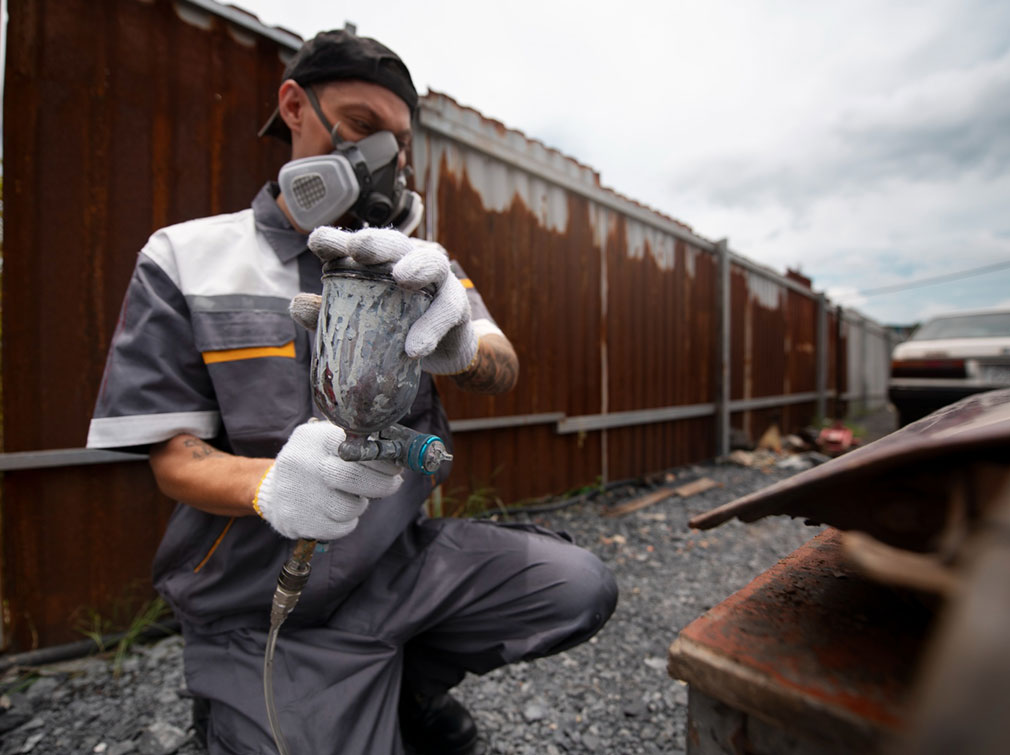
Asbestos removal should never be treated casually.
It is a serious safety process, for good reason: disturbed fibres can cause lasting health damage, including respiratory disease if fibres are breathed in.
Asbestos remains present in many residential and commercial buildings in Melbourne, most located in roofs, wall sheeting, and floors without the knowledge of the building’s owner.
It is for that reason that the professional process of asbestos removal involves a systematic process that comprises five stages.
Namely, those include assessment, planning, removal, disposal, and clearance.
Each stage serves its own purposes: ensuring the safety of workers, those living in the surrounding areas, and bringing the building up to safety standard requirements in Australia.
What Happens When You Book Professional Asbestos Removal?
Having asbestos in your house or workplace may leave you feeling uncertain and concerned with many practical concerns.
Most building owners really do not have any idea about what will happen after they contact asbestos removal experts. Truly speaking, the uncertainty involved is the most stressful element of the whole thing for business owners.
It goes like this.
As soon as you have booked yourself an asbestos removalist, the whole procedure will go through five clear phases: inspection, planning, removal, disposal, and clearance. Everything will happen one step at a time.
If you are aware of the asbestos removal process beforehand, then you will have a fair idea of what to expect.
How long does asbestos removal take?
This is what people usually want to know. Not surprising, since it is very disruptive.
The answer to the question is that it depends.
Property size matters, because a larger home or commercial building takes longer to inspect and clear. The number of asbestos matters too, as more material means more time. Location also plays a part. Asbestos hidden in a roof cavity or subfloor usually slows things down compared with material sitting in the open.
Accessibility also affects timing, especially when the space is occupied or access is restricted. Once removal is complete, clearance testing still needs to happen before anyone can call the job finished.
A small residential job may finish in a single day. Larger commercial asbestos removal projects, by contrast, can run across several days, sometimes even weeks.
Also Read: How to Identify Asbestos
The Complete Asbestos Removal Process Explained
At its core, the Asbestos removal procedure follows five steps. It is methodical by design, with every stage helping keep people safe and the job compliant.
Step 1: Initial Asbestos Survey
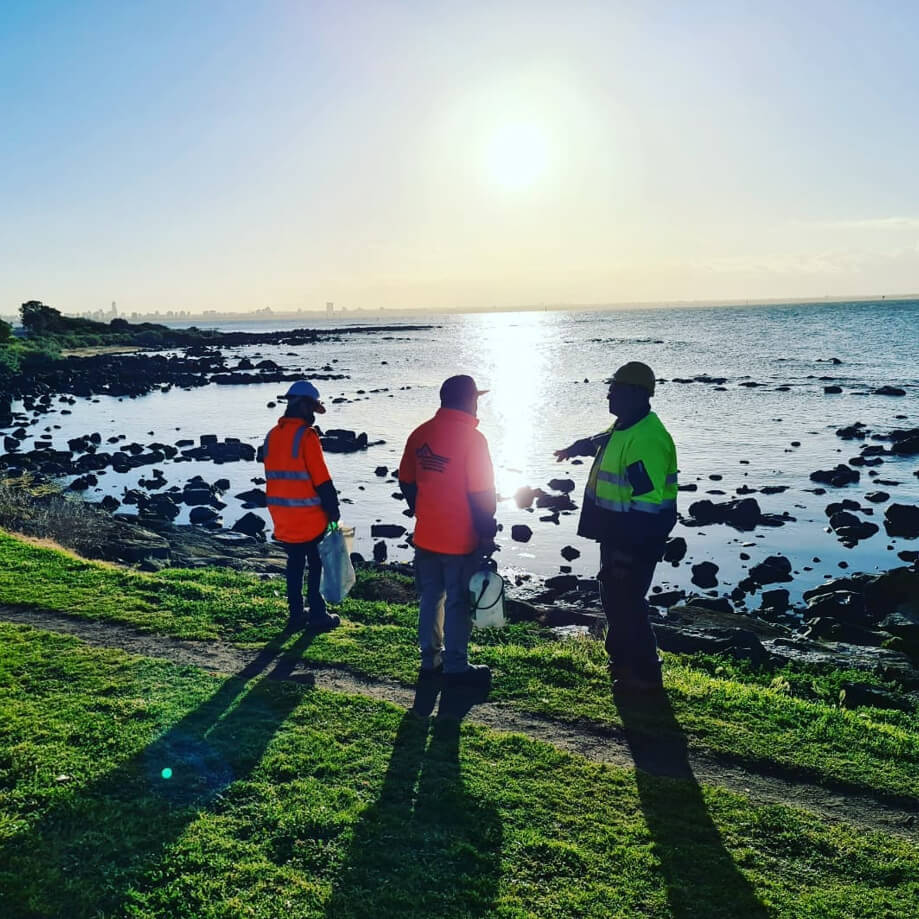
The first thing that will be done is for the licensed assessor to walk around the property to check possible areas that may be harbouring asbestos such as the eaves, walls, roof, and floor.
Step 2: Asbestos Testing and Risk Evaluation
Asbestos samples will then be obtained from each location and tested in a laboratory to confirm whether there is any asbestos present and what kind.
Step 3: Area Preparation for Asbestos Removal
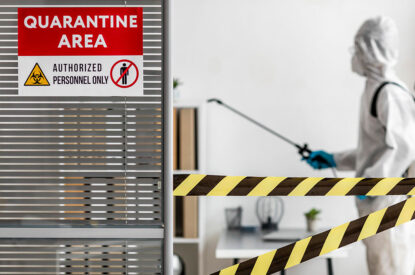
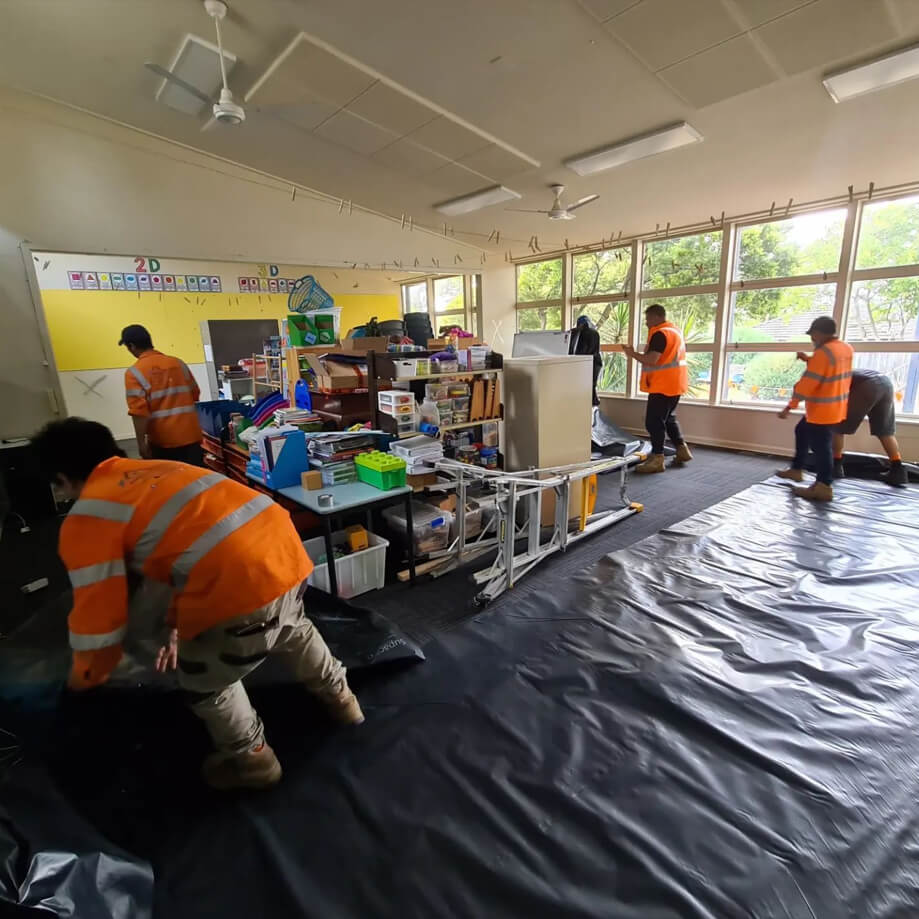
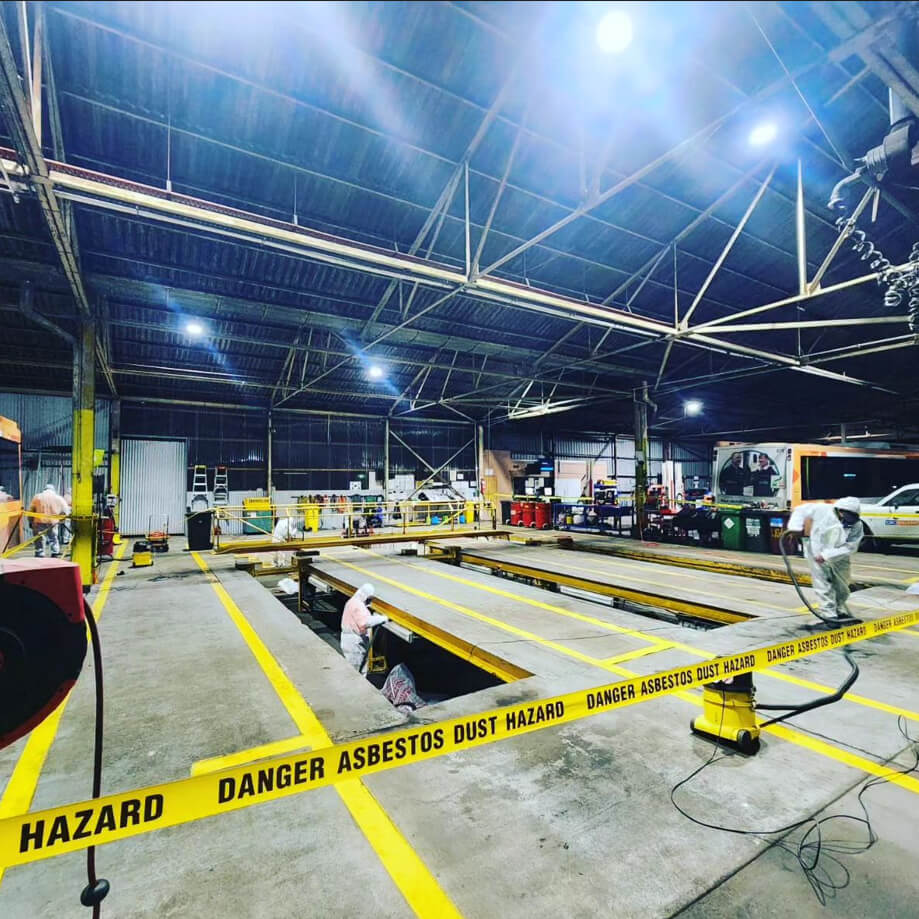
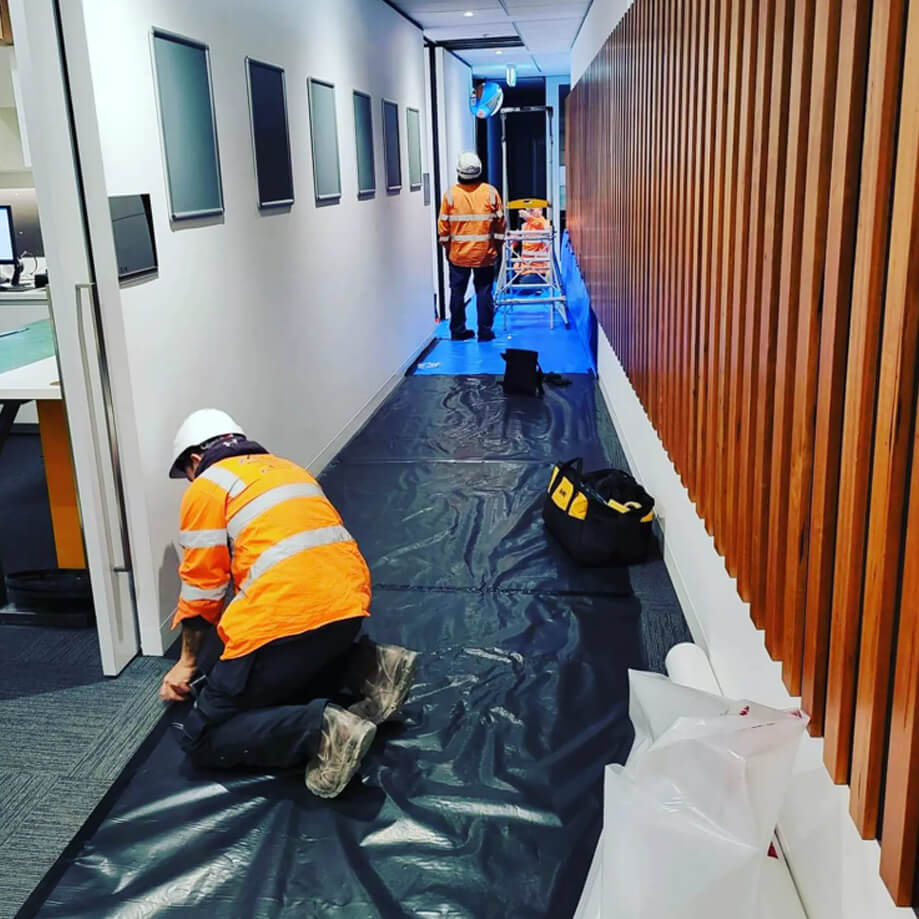
To prevent contamination of any fibres to other areas of the house, the area will first be isolated by putting up barriers and signs.
Step 4: Removal of Asbestos Safely
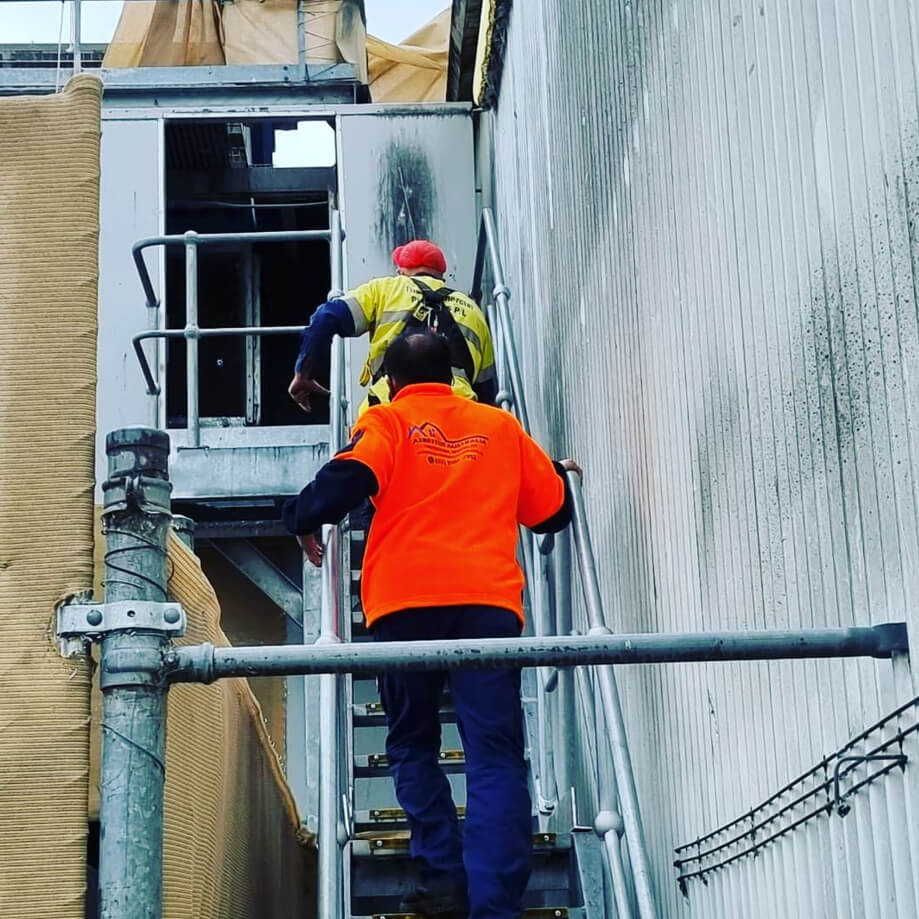
It is at this stage that experts will come in and remove the asbestos using specialised equipment that prevents further disturbance of asbestos materials.
Step 5: Asbestos Removal Disposal and Clearance
The next step involves packaging the removed asbestos material and taking it to a disposal site while conducting an inspection of the area to ensure safety.
The removed material is wrapped securely and taken to a licensed disposal facility. An independent clearance inspection follows, confirming that the site is safe for return.
What Happens During a Professional Asbestos Inspection?
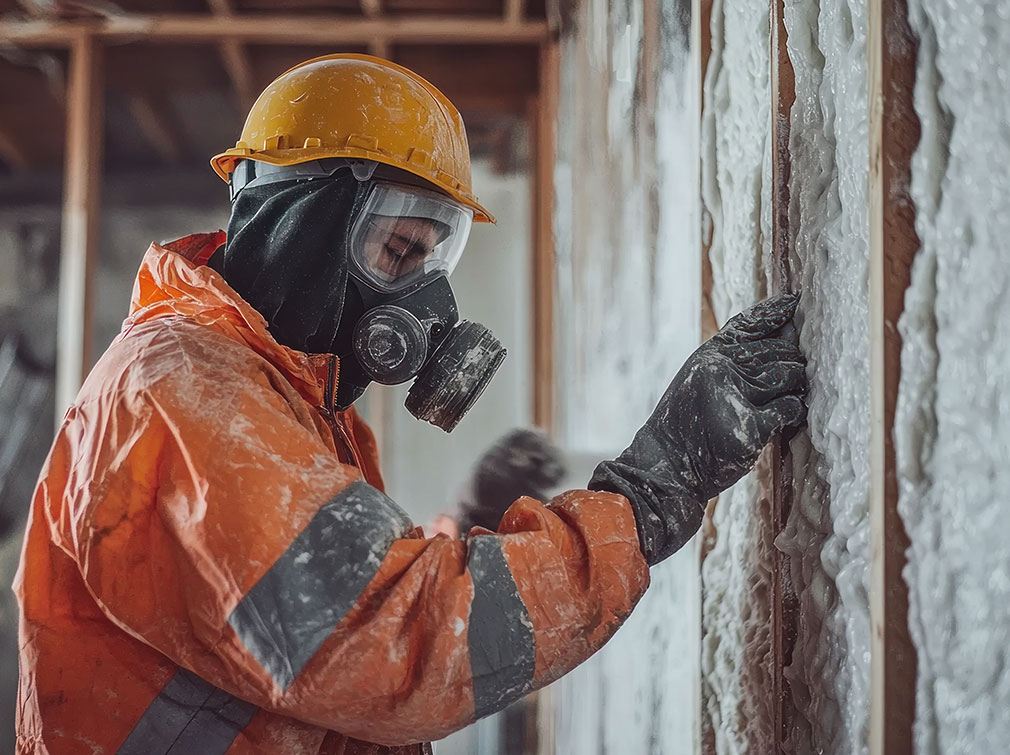
Asbestos inspections set the foundation for everything that follows. When this part is handled well, the remaining stages become simpler.
Visual Assessment
The inspector reviews the property carefully, focusing on materials commonly linked with asbestos, such as textured ceilings, older vinyl flooring and cement sheeting.
Sampling If Required
This helps ensure nothing unnecessary is removed, keeping the process efficient, practical and cost-effective.
Identifying Asbestos Containing Materials
Once testing is complete, they identify exactly what is affected, where it is located, and what condition it is in.
Creating Removal Plans
They then recommend how it can be removed safely and explain any urgency if the material is damaged, ageing or deteriorating.
How Do Professionals Safely Remove Asbestos?
This is where trust is really built. Safe removal does not rely on one safeguard, but several layers working together at once.
Controlled Work Areas
The work sone is physically isolated. Barriers, enclosures and controls are all designed to stop fibres drifting through the rest of the property.
Protective Equipment
Technicians wear respirators and disposable protective clothing throughout, reducing the chance of fibres reaching their lungs, skin, or clothes.
Fibre Prevention Methods
Materials are often wetted before removal. It sounds simple, but it makes a real difference by keeping fibres out of the air.
Safe Material Removal
Wherever possible, asbestos-containing materials are removed whole, without unnecessary breaking, cutting, crushing or rough handling.
Decontamination Procedures
Once the removal itself is finished, the work area and all equipment are decontaminated before barriers come down.
Friable vs Non-Friable Asbestos Removal: What’s the Difference?
This distinction matters more than many people realise, because it determines exactly how the removal needs to happen.
Non-Friable Asbestos
Non-friable asbestos is bonded tightly within a solid material, so it doesn’t crumble easily under normal pressure. Cement sheeting and older roofing materials are common examples.
Left undisturbed, it is generally lower risk, and a licensed removalist can usually manage it with standard controls in place.
Friable Asbestos
Friable asbestos is a different story. It crumbles easily, which means fibres can become airborne with barely any disturbance at all.
This is the higher-risk category, and it calls for specialist handling: sealed enclosures, stricter air monitoring and comprehensive controls.
How Much Does Professional Asbestos Removal Cost?
Asbestos removal cost isn’t a one-size-fits-all number, and honestly, be a little wary of anyone quoting a fixed price before they’ve even inspected the property.
A few things drive the final Asbestos removal cost. The amount of asbestos involved, obviously. The type of material matters too, as friable asbestos generally costs more to remove than non-friable because it demands extra precautions and specialist equipment. Labour, testing and disposal also add up depending on the job’s scale and complexity.
The most reliable way to understand the cost is through a tailored quote after an on-site inspection. Anything else is just an estimate.
Also Read: The Cost of Asbestos Removal
Why DIY Asbestos Removal Is Risky
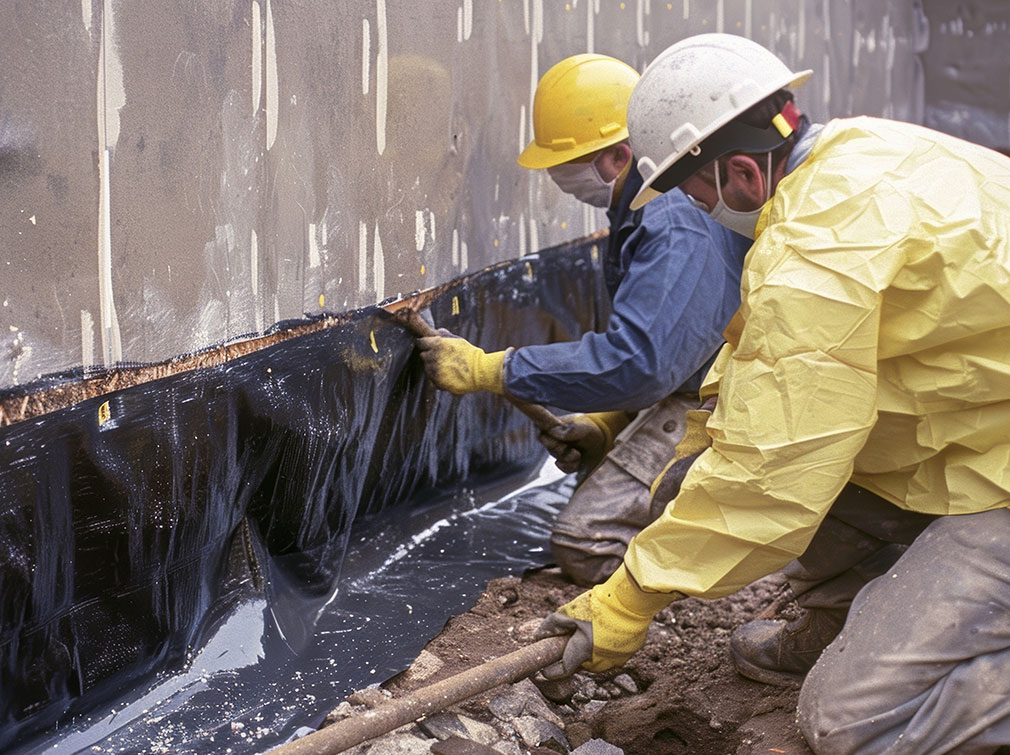
It’s tempting to think you could save some money and handle asbestos removal yourself.
It’s not worth it.
Disturbed asbestos fibres can lead to serious, long-term respiratory illness, including asbestosis and mesothelioma, which often do not show symptoms until years later.
Without proper training, it is easy to break or damage material during removal, sending fibres into the air and spreading contamination into parts of the property you never intended.
There is also the disposal side to consider. Asbestos waste must go to a licensed facility and skipping that step is risky and illegal.
And here is the thing: in many cases, the law requires a licensed asbestos removalist to do this work. DIY removal does not just risk your health. It can breach workplace safety regulations too.
Why Choose Asbestos Australia Removalist?
The right team makes all the difference here, for safety, compliance and, honestly, genuine peace of mind.
As an Asbestos removal company Melbourne property owners can trust, we are fully licensed to remove friable and non-friable asbestos under Australian guidelines. Our experience spans commercial and domestic properties, so our service works well for a single home or a large commercial site anywhere.
Every job follows strict, safe removal practices, protecting workers, occupants and the surrounding environment throughout. We also manage the whole project ourselves, from the first inspection through to final clearance certification, so you are not left coordinating separate contractors along the way.
With coverage across Melbourne, we can reach your property quickly, wherever it happens to be.
Frequently Asked Questions
Q.1 What are the steps involved in asbestos removal?
Inspection, testing and risk assessment, preparing the removal area, safe removal, then final disposal and clearance.
Q.2 Can asbestos be removed without testing?
It’s not recommended. Testing confirms whether asbestos is present, and it shapes the safest removal method for the material found.
Q.3 Is asbestos removal safe?
Yes, when it’s handled by licensed professionals using the right controls and equipment. That’s really the whole point of the process.
Q.4 Can I stay in my property during asbestos removal?
Most probably yes, especially in cases of small-scale non-friable asbestos removal. It will be determined by your removalist depending on the nature of the job and the location of the asbestos.
Q.5 How much does asbestos removal cost?
It varies based on the quantity and the kind of asbestos, labour required, and cost of disposal. The only method of determining the price of removal is through on-site inspections.
Q.6 How long does asbestos removal take?
It ranges from one day in small-scale removal to several weeks in large-scale removal.

 77 Google Reviews