

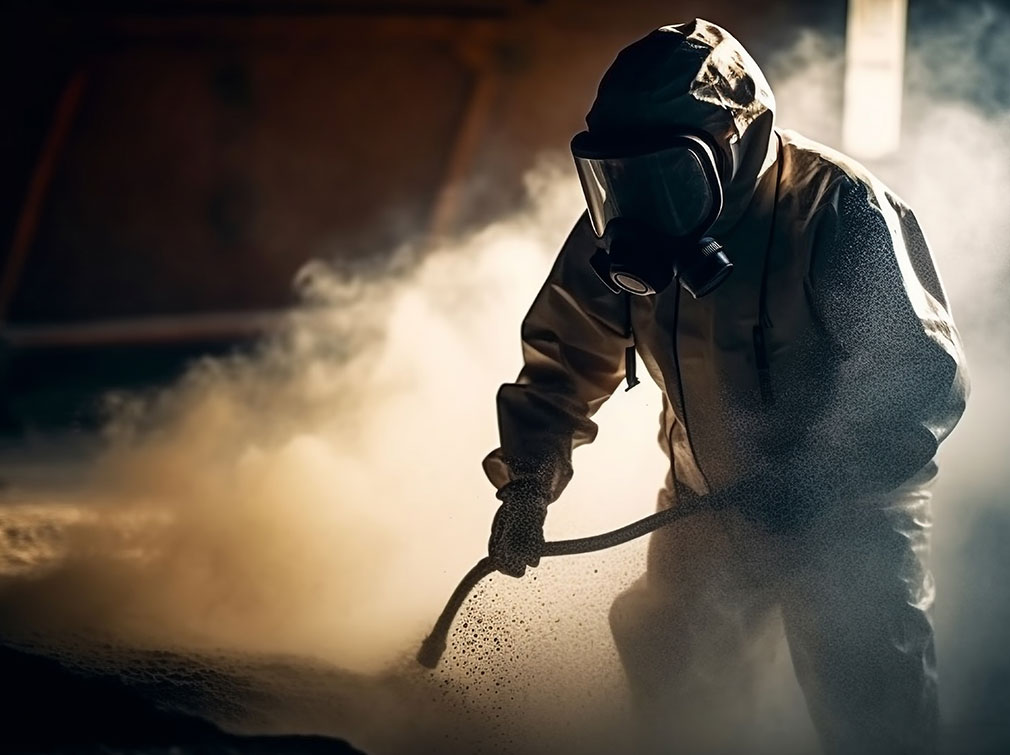
Industrials may have asbestos issues due to the sheer size and age of their buildings, as well as operational needs. Many of the old factories, warehouses, and manufacturing sites may still be contaminated with asbestos that can be found in roofs, insulation, walls, and service areas. The management of such materials demands good planning, strong control measures, and professional involvement.
This document aims at helping industries in acquiring relevant knowledge on asbestos removal from industrials.
Why Industrial Asbestos Removal Requires Specialist Experience
The industrial environment tends to be more complicated than the residential one as well as the ordinary commercial environment. Such large buildings are known to have several asbestos products used in production sones, storage, plant rooms, and service areas. Such factors make industrial environments more complicated.
For an industrial business entity, it is important to think about the safety of workers and business continuity as well as regulatory compliance. Poor management of asbestos may lead to putting workers as well as contractors at risk and disrupting the operation of the business.
Protecting Workers and Site Visitors
Protecting workers and visitors’ means reducing the risk of asbestos fibre exposure through proper identification, containment, and removal procedures. Safe management helps maintain a healthier workplace environment.
Managing Large-Scale Asbestos Risks
Industrial sites can contain substantial quantities of asbestos materials spread across multiple locations. Managing these risks requires detailed planning, inspections, and controlled removal methods.
Maintaining Safe Workplace Operations
Specialist contractors prepare strategies that allow asbestos work to proceed safely while minimising interruptions to production schedules and daily business operations.
Common Areas Where Asbestos Is Found in Industrial Facilities
Industrial buildings constructed before asbestos restrictions may contain asbestos-containing materials in numerous locations. An industrial asbestos inspection helps identify affected areas and determine the most appropriate management approach.
Factory Roofing and Wall Cladding
Many industrial facilities include asbestos cement roofing sheets, wall cladding, gutters, and external building products installed for durability and weather resistance.
Machinery Areas and Plant Rooms
Older machinery spaces and plant rooms commonly include asbestos materials used for insulation, fire protection, and equipment housing applications.
Pipes, Insulation and Service Areas
Asbestos was common in pipe lagging, insulating materials, service ducts and utility installations due to its resistance to heat.
Warehouse Ceilings and Internal Panels
Warehouses that undergo asbestos abatement usually include sheet ceilings, wall panelling, internal partitions and insulation materials within them. Early detection facilitates the planning of factory asbestos abatement.
Also Read: How to Safely Handle Small Asbestos Repairs at Home
Best Practices for Industrial Asbestos Removal
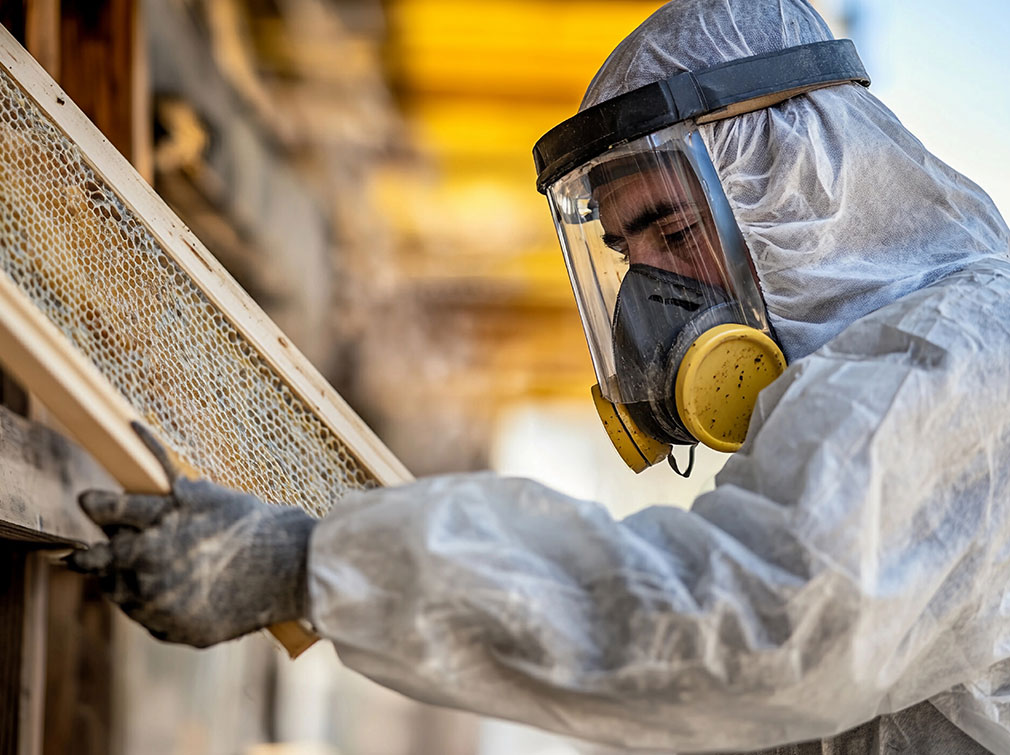
Successful industrial asbestos removal depends on thorough planning, risk assessment, and strict safety controls throughout every stage of the project.
- Conduct a Detailed Asbestos Inspection
A detailed inspection locates asbestos-containing materials throughout the facility. Specialists review material condition, identify exposure risks, and decide whether immediate removal is needed. This assessment becomes the foundation for a safe project plan.
- Develop a Site-Specific Removal Plan
Every industrial facility brings different challenges. A site-specific plan sets out work area preparation, containment requirements, safety procedures, workforce protection measures, and project scheduling so removal activities are handled efficiently.
- Use Controlled Removal Methods
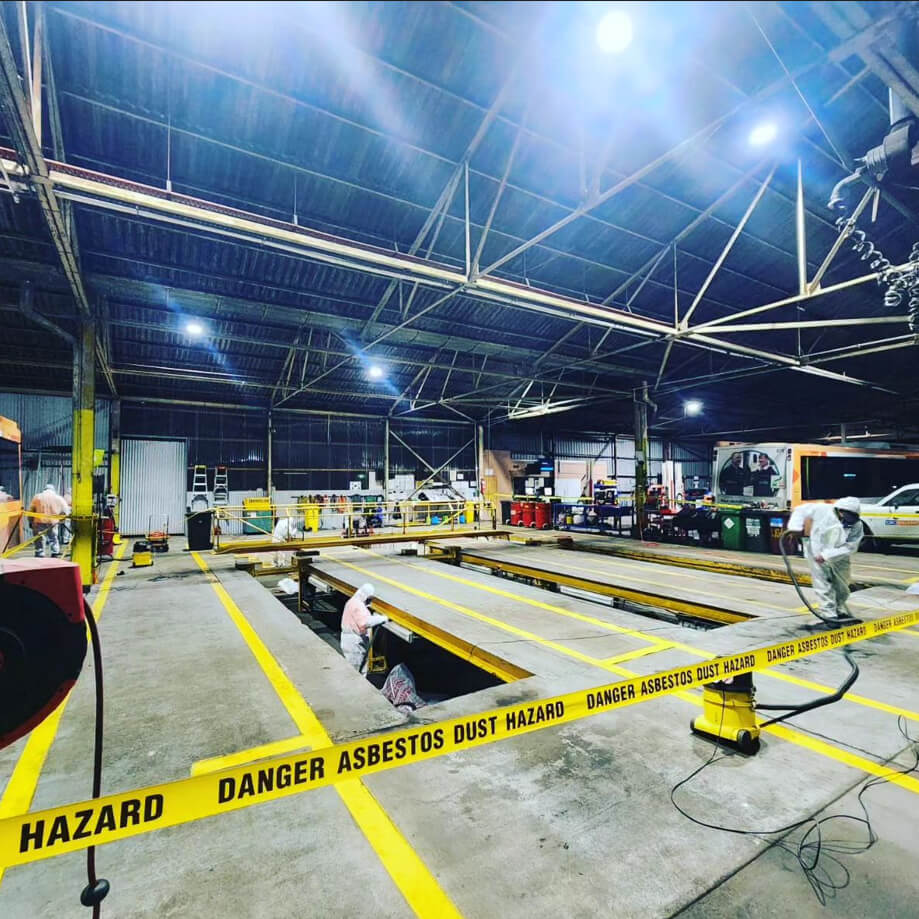
Controlled removal methods are vital for limiting fibre release. Contractors use containment systems, specialist equipment, air management procedures, and fibre control techniques to keep working conditions safe throughout the project.
- Ensure Safe Disposal and Clearance
After removal, asbestos waste must be packaged, transported, and disposed of through licensed facilities. Final site inspections, clearance procedures, and project documentation confirm the removal work has been completed safely and professionally.
How Industrial Businesses Can Reduce Operational Disruption
Staying productive through asbestos works is an important concern for almost any industrial business. Industrial asbestos removal service providers know about the significance of maintaining balance between safety and requirements of a company.
Asbestos removal process may be scheduled according to the schedule of manufacturing works to limit the downtime of the process. Isolation of work sones allows keeping workers safe and continuing the work in other areas of the facility. Informing the workers about access control and project schedule is also important.
In bigger facilities, the works can be completed in several stages so that the manufacturing process and warehousing won’t be disturbed. Cooperation with maintenance staff, site management, and external contractors is helpful to increase the efficiency of the project completion. Experienced asbestos removal contractor Melbourne will be able to find the best approaches to the work.
Asbestos Removal in Factories vs Warehouses: What Changes?
Industrial asbestos projects differ depending on the type of facility involved and the operational demands of the site.
Factory Environments
Factories often include machinery, production equipment, and heavy employee movement. Removal activities may require extra containment measures and careful scheduling around manufacturing operations.
Warehouse Environments
Warehouses usually feature large open spaces and extensive storage areas. Access requirements, stock protection, and ongoing logistics operations can shape project planning and removal methods.
Manufacturing Facilities
Manufacturing facility asbestos removal projects often involve complex processes, sensitive equipment, and multiple operational departments. Careful coordination helps protect assets while reducing disruption to production schedules.
The Importance of Choosing a Licensed Industrial Asbestos Removalist
Asbestos industrial projects require specific skills, proper equipment, and understanding of occupational safety regulations. An asbestos removal professional is qualified enough to handle the complexities of industrial settings in a safe manner.
Professional contractors adhere to safety protocols, appropriate containment methods, and the process of removal and disposal of asbestos materials. They are aware of their obligations and documentation needs related to industrial projects.
The selection of experts in professional asbestos removal can contribute to lowering risks and increasing efficiency.
Also Read: Top Melbourne Suburbs at Risk for Asbestos
What Factors Affect Industrial Asbestos Removal Costs?
Various things can affect the price estimates for removing asbestos from a particular industry. One such thing can be the size of the building in question since larger buildings tend to have more asbestos materials than smaller ones.
The kind of material, the ease of accessing the material, and where the asbestos is in the building are some of the other variables that can affect project costs.
Transportation and disposal of waste can affect project costs as well. The best way to know how much your project will cost is to get an inspection and estimate of your project costs.
Why Choose Asbestos Australia Removalist for Industrial Projects?
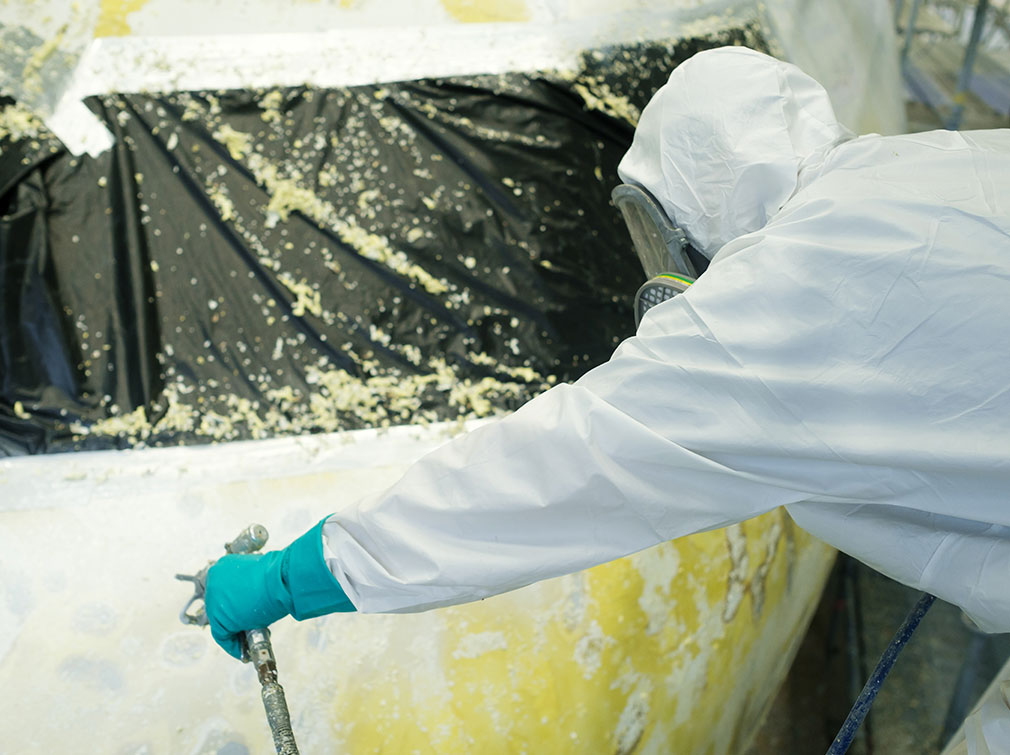
Asbestos Australia Removalist is a reliable company offering asbestos management solutions for factories, warehouses, and other industrial establishments in Melbourne. The experts have knowledge regarding the special requirements of large asbestos removal projects and offer solutions that would minimise any potential risks.
The combination of industrial experience and professional asbestos removal techniques with the use of specialised equipment, safety protocols, and project management skills makes the team a reliable one.
Asbestos Australia Removalist offers its services to various places in Melbourne and can be considered a trusted choice for industrial asbestos removal projects.
Frequently Asked Questions
Q.1 Where is asbestos commonly found in factories?
Asbestos is commonly found in roofing materials, wall cladding, insulation products, pipe lagging, machinery housings, plant rooms, ceiling panels, and service areas inside older factory buildings.
Q.2 Can a factory continue operating during asbestos removal?
In many cases, yes. Contractors can isolate removal areas and schedule work carefully so unaffected sections of the facility remain operational whenever it is safe to do so.
Q.3 How long does industrial asbestos removal take?
The timeline depends on the size of the facility, quantity of asbestos, accessibility, removal complexity, and clearance requirements. A professional assessment provides a more accurate timeframe.
Q.4 Why hire an industrial asbestos removal contractor?
Specialist contractors bring the expertise, equipment, and safety procedures needed to manage asbestos risks effectively while maintaining compliance and reducing operational disruption.
Q.5 What is included in industrial asbestos removal?
Industrial asbestos removal generally includes inspection, risk assessment, project planning, containment setup, removal activities, waste disposal, site clearance, and the provision of relevant compliance documentation.
 77 Google Reviews