


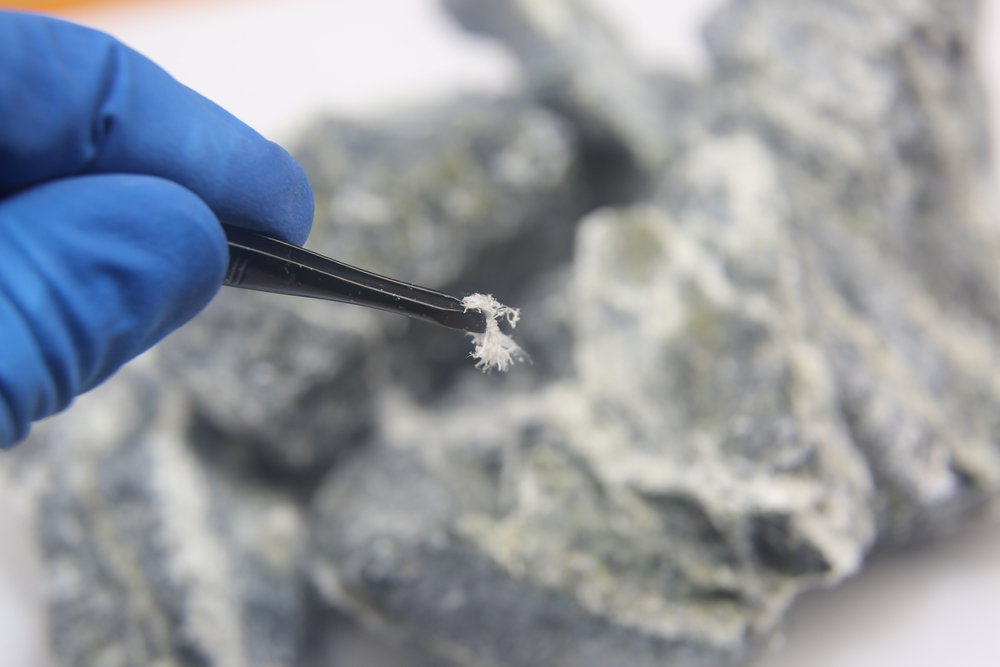
Asbestos, once hailed for its versatility and durability, has left a legacy of health risks in its wake. Understanding the distinctions between bonded and friable asbestos is crucial for assessing and mitigating potential dangers. This article delves into the intricacies of these two asbestos types, emphasising the varying risks and removal processes associated with each.
What is Asbestos?
Asbestos, a naturally occurring mineral, became a staple in various industries due to its desirable properties. It’s strong, lightweight, flexible, and being a natural resource, cheap.
From the mid-20th century until the late 20th century, it was extensively used in construction, shipbuilding, and manufacturing. Here is Australia, we used it a lot, with many houses built between 1950 to 1980 likely to contain asbestos in one form or another. Its microscopic fibres made it an ideal component for a multitude of products. Two primary types emerged from its widespread use: bonded and friable asbestos.
Bonded Asbestos (Non-Friable)
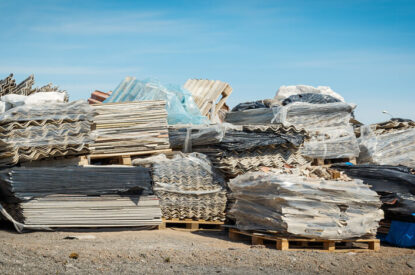
Bonded asbestos, also known as non-friable asbestos, is a composite material where asbestos fibres are tightly bound together with another substance, such as cement or a similar matrix.
This type of asbestos found its way into numerous construction materials, including roofing, wall sheets, and floor tiles. The bonding process provided structural strength and durability.
While less likely to release fibres into the air when undisturbed, bonded asbestos poses risks when damaged, deteriorated, or improperly handled, such as during renovations or removal processes.
Standard removal procedures involve precautions to minimise fibre release, often requiring professional expertise to ensure the safety of both occupants and workers.
Friable Asbestos
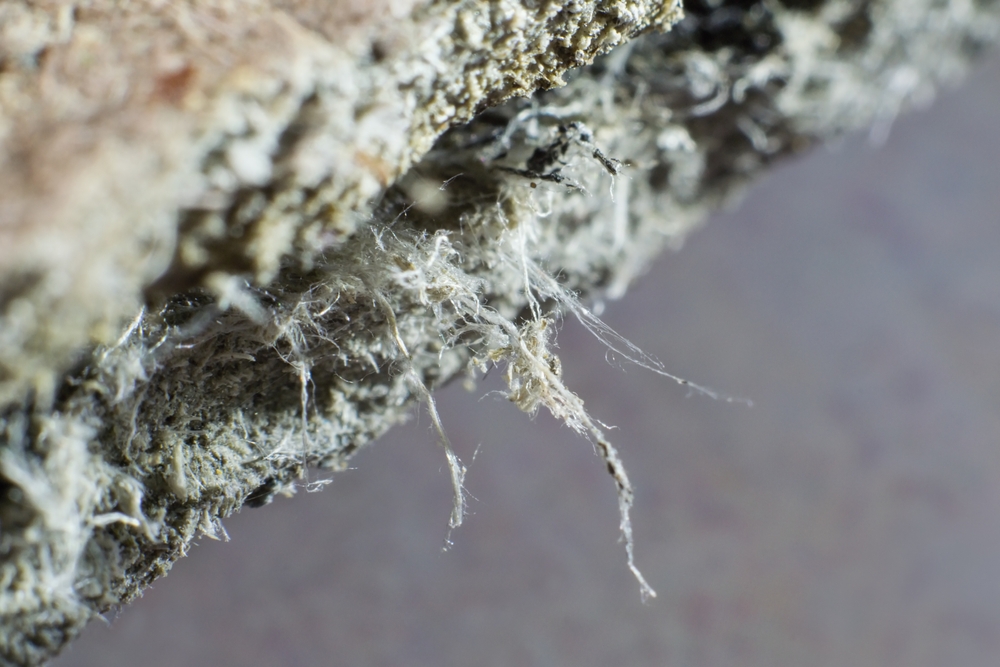
Friable asbestos is characterised by its ability to be easily crumbled, pulverised, or powdered by hand pressure when dry, releasing fibres into the air.
Predominantly found in applications where its soft, pliable nature was advantageous, friable asbestos is often found when it has been used as insulation materials, acoustic tiles, and other contexts where flexibility was essential.
Friable asbestos presents a higher risk compared to its bonded counterpart. Even minimal disturbances, such as drilling or cutting, can release dangerous fibres into the air, posing a direct threat to human health.
The removal of friable asbestos demands specialised containment and removal procedures to minimise the risk of fibre release. This often involves more stringent safety measures and necessitates the expertise of trained professionals.
Key Differences
Understanding the disparities between bonded and friable asbestos is crucial in navigating the hazards associated with each variant.
Bonded asbestos, characterised by firmly bound fibres, commonly surfaces in roofing, wall sheets, and tiles. Although less likely to release fibres when undisturbed, the risks escalate when damaged or improperly handled during removal processes.
In contrast, friable asbestos possesses a softer, crumbly nature, prevalent in insulation and applications requiring flexibility. This type poses a significantly higher risk, readily releasing dangerous fibres into the air even with minor disturbances.
Specialised containment and removal procedures are imperative for friable asbestos, marking a distinct departure from the standard precautions associated with its non-friable counterpart. The nuanced differences in physical characteristics, common applications, associated risks, and removal methods underscore the importance of a comprehensive understanding for effective risk assessment and management.
Why Distinguishing Between Them Matters
Understanding the differences between friable and non-friable asbestos is super important as it can be the difference of exposure or non-exposure. Friable asbestos increases the likelihood of exposure significantly and cannot be removed by an unlicensed person. Non-friable asbestos can be removed by an unlicensed person in small amounts.
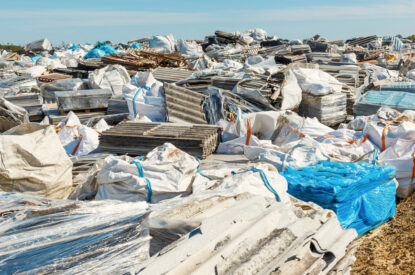
These differences are also vital when it comes to the actual removal process of the asbestos and the disposal of it too.
Some more information of their characteristics can be found in the table below:
| Characteristic | Bonded Asbestos | Friable Asbestos |
| Physical characteristics | Firmly bonded fibres | Easily crumbled or powdered |
| Common applications | Roofing, wall sheets, tiles | Insulation and soft applications |
| Associated risks | Risk during damage or removal | High risk of fibre release |
| Removal methods | Standard precautions | Specialised containment required |
What should you do if asbestos is present in your home?
The best thing you can do is to call in the professionals. Whether it is friable or non-friable asbestos, it doesn’t matter, the risk isn’t worth it.
Call Asbestos Australia if you need asbestos removal in Melbourne, Geelong or throughout Victoria. We remove asbestos of all kinds from anywhere, whether it’s a home, workplace or industrial site.
Call us on 03 9704 2952 to discuss your asbestos situation today.

 77 Google Reviews